
Vaulting

Beyond the PSP: Choosing the Right Payment Tokenization Service Provider

Beyond the PSP: Choosing the Right Payment Tokenization Service Provider

Beyond the PSP: Choosing the Right Payment Tokenization Service Provider

Jan 9, 2026

Jens Kohnen
Jens Kohnen
Jens Kohnen
Co-Founder & Chief of Revenue and growth at Starfish & Co. – creators of Hellgate®

Beyond the PSP: Choosing the Right Payment Tokenization Service Provider

If you've ever wrestled with PCI compliance requirements or felt trapped by your payment provider's ecosystem, you're not alone. Every day, CTOs and engineering leaders face a critical decision that impacts both security and business agility: how to handle payment tokenization.

The choice seems straightforward at first. Your payment service provider offers tokenization as part of their package, so why look elsewhere? But as many enterprises discover, this convenience often comes with hidden costs that only become apparent when you try to scale, switch providers, or implement sophisticated payment routing strategies.

Understanding Payment Tokenization Service Providers

Payment tokenization service providers replace sensitive card data with secure tokens, keeping your systems out of PCI scope while maintaining the ability to process transactions. Think of it as a secure vault for payment credentials that your systems can reference without ever touching the actual card numbers.

While most payment processors offer tokenization services, the architecture behind these solutions varies dramatically. Some lock you into their ecosystem, while others provide the flexibility modern enterprises need. Understanding these differences can save your organization from costly migrations and lost customer data down the road.

The Two Paths: PSP-Native vs Independent Tokenization

PSP-Native Tokenization: The Convenient Trap

When you implement tokenization through your payment service provider-whether that's Stripe, Adyen, PayPal, or others-you're choosing the path of least resistance. The integration is seamless, the documentation is familiar, and your team can implement it quickly.

But here's what happens six months later when you want to add a backup processor or negotiate better rates with a competitor: those tokens are worthless outside that PSP's ecosystem. Your stored card data, recurring billing relationships, and customer payment preferences are locked behind their walls.

One enterprise retailer we worked with discovered this the hard way. After building their subscription business on a single PSP's tokenization, they found themselves paying 30% above market rates because switching meant asking 50,000 customers to re-enter their payment information. The convenience had become a cage.

Independent Tokenization: The Composable Approach

Independent tokenization providers operate differently. They create a neutral vault for your payment data that works across multiple processors. Your tokens remain portable, your data stays under your control, and you maintain the flexibility to route transactions wherever makes business sense.

This approach mirrors the broader shift toward composable commerce architectures. Just as modern enterprises don't want to be locked into monolithic e-commerce platforms, forward-thinking payment teams are rejecting vendor lock-in for their most sensitive customer data.

What to Look for in a Tokenization Provider

PCI Scope Reduction That Actually Works

True PCI descoping means your infrastructure never touches card data-not during collection, not during processing, not even in logs or error messages. Look for providers that offer dedicated, isolated vaults with clear network segmentation. The best solutions reduce your audit scope from hundreds of requirements to just a handful.

Network Tokenization Support

Network tokens from Visa and Mastercard can improve authorization rates by 3-5% while reducing fraud. But implementing them requires coordination between your tokenization provider and the card networks. Ensure your provider supports these enhanced tokens natively, not as an afterthought.

Performance at Scale

Enterprise payment systems can't afford latency. Your tokenization service should add minimal overhead-ideally under 50ms-even during peak transaction volumes. Ask potential providers about their infrastructure redundancy, geographic distribution, and performance SLAs.

Developer-First Integration

Your engineering team's time is valuable. Modern tokenization APIs should be intuitive, well-documented, and supported by SDKs in your preferred languages. Look for providers that offer sandbox environments, comprehensive testing tools, and responsive technical support.

The Hidden Costs of Walled Gardens

Payment processor lock-in creates cascading problems throughout your payment stack. You can't A/B test different acquirers to optimize authorization rates. You lose negotiating leverage with your current provider. And when outages occur-which they inevitably do-you have no fallback options.

Consider what happened during the 2021 holiday season when a major PSP experienced a four-hour outage on Black Friday. Merchants using their native tokenization had no recourse. Their tokens were useless with other processors, leaving them unable to process orders during the year's biggest shopping day. Those with independent tokenization simply routed traffic to backup processors and kept selling.

Hellgate Guardian: Rethinking Payment Tokenization

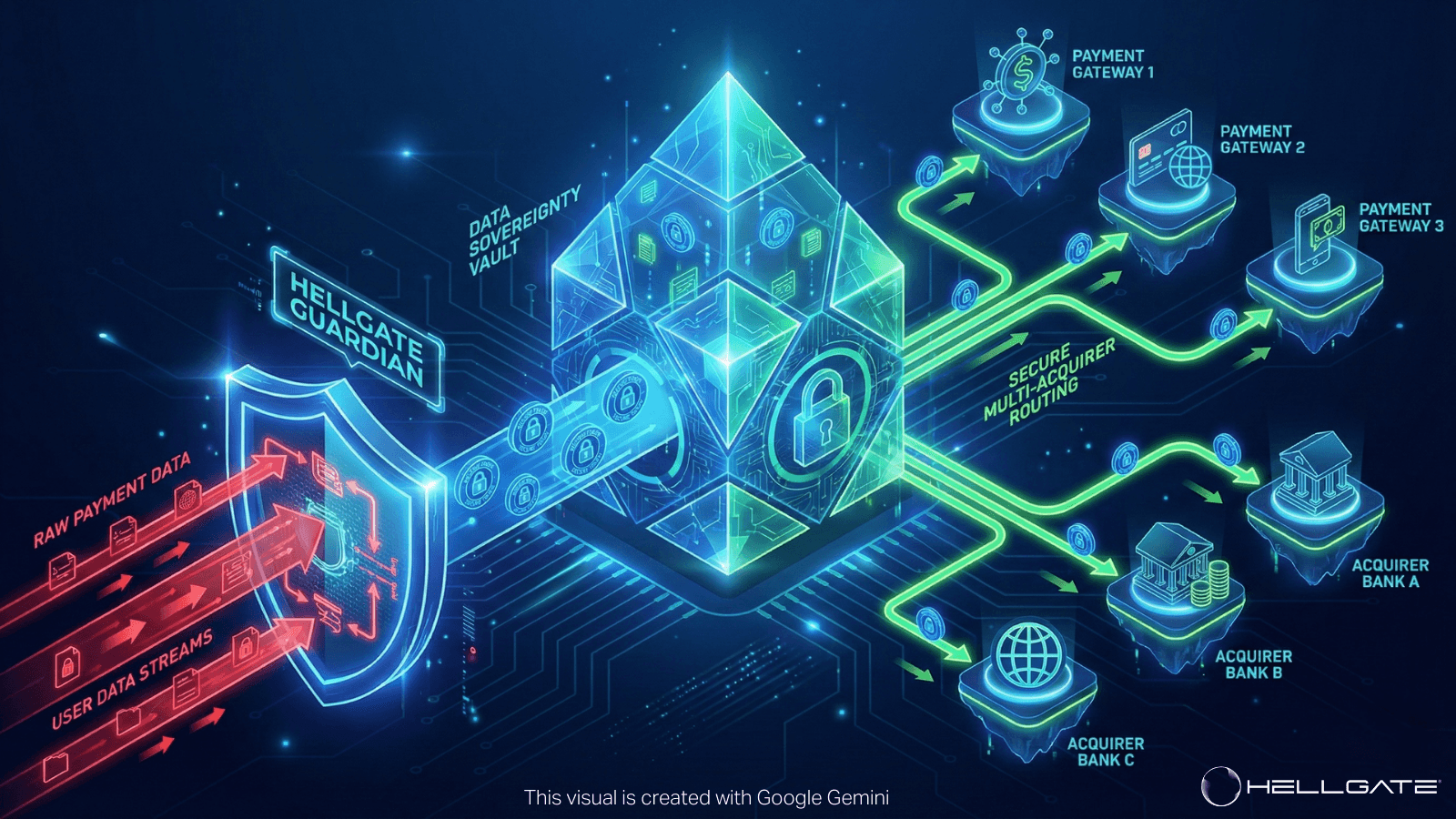
This is where our approach with Hellgate Guardian diverges from traditional models. We built Guardian as a composable tokenization service that treats your payment data as what it truly is-your most valuable asset that deserves protection without imprisonment.

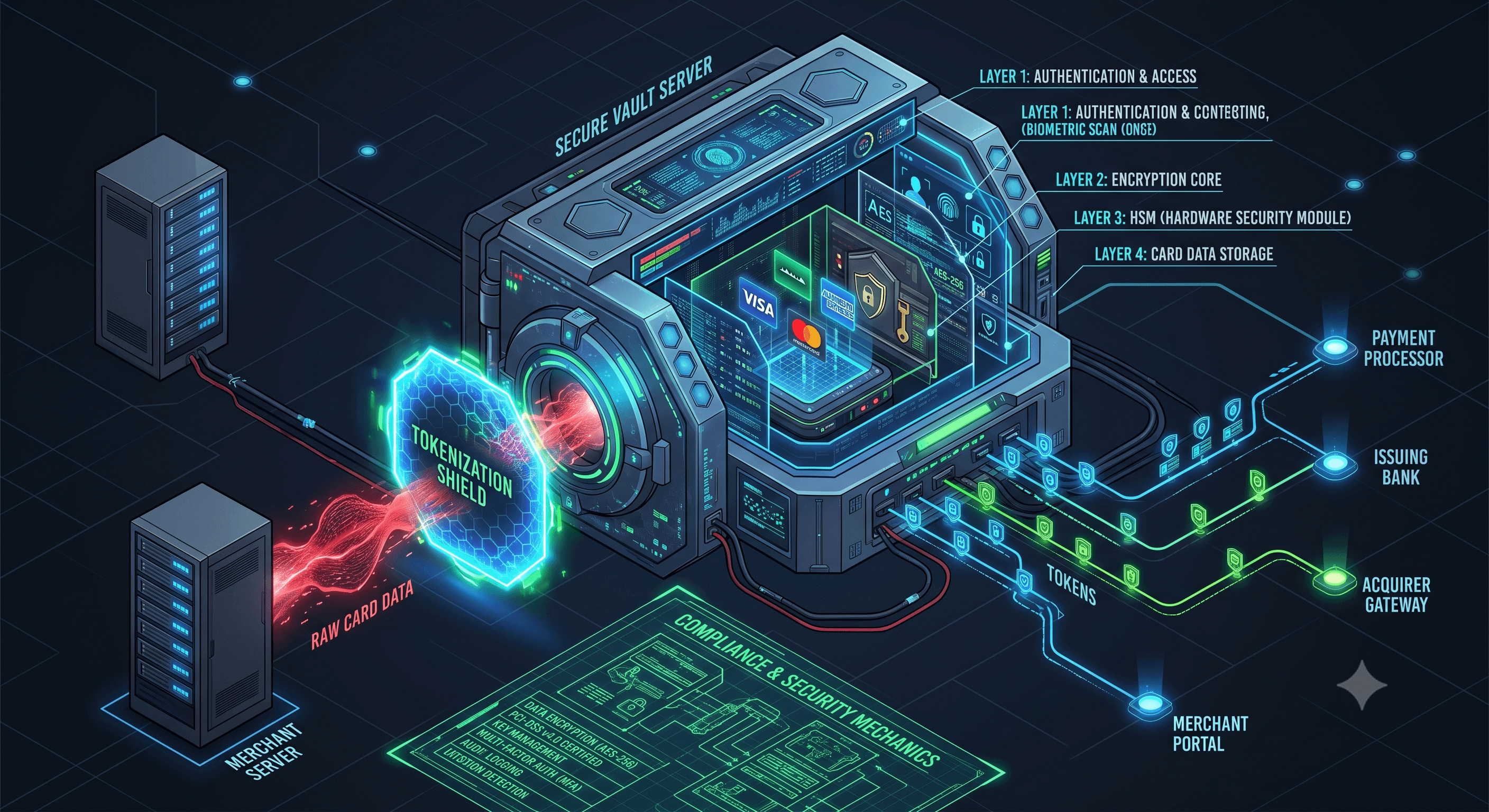
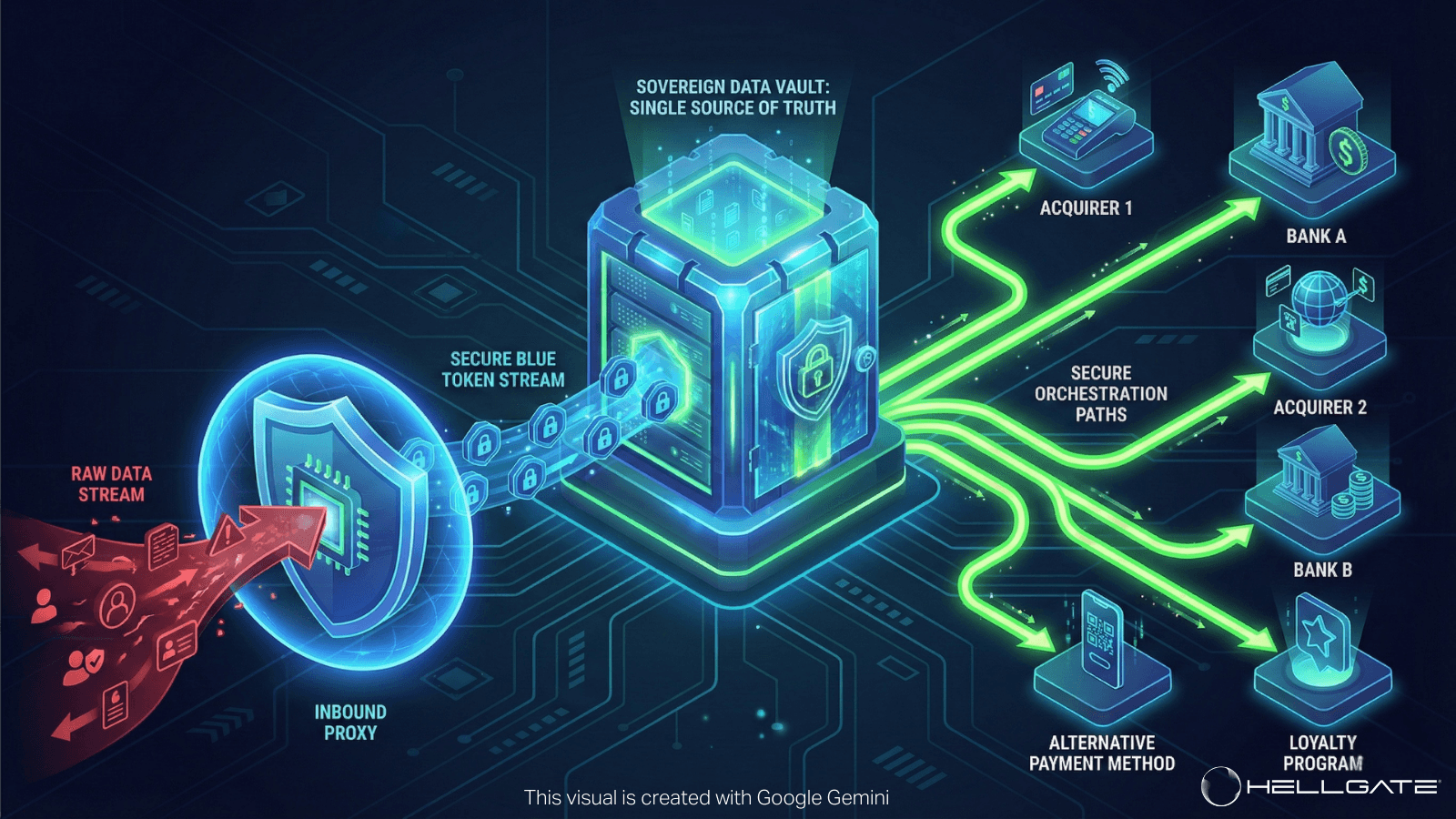
Guardian operates as an independent vault, creating tokens that work seamlessly across any connected payment processor. When you store a customer's card through Guardian, that relationship belongs to you, not to any single PSP. You maintain complete control over where transactions route, which processors handle different transaction types, and how you optimize your payment flows.

The architecture delivers several concrete advantages:

True Data Ownership: Your customer payment credentials remain under your control. Switch processors, add new ones, or implement sophisticated routing rules without touching your token vault.

Universal Compatibility: Tokens created in Guardian work with any PSP in your stack. Route transactions based on cost, performance, or geography without technical limitations.

Isolated Security: Guardian's dedicated PCI-compliant vault keeps sensitive data completely separate from your infrastructure, dramatically reducing compliance scope and audit complexity.

Making the Transition

Moving to an independent tokenization model doesn't require ripping out your existing infrastructure. Modern providers support gradual migration paths that let you transition stored cards over time while maintaining business continuity.

Start by implementing independent tokenization for new customers while maintaining existing tokens in your current system. As cards naturally expire and customers update their information, gradually shift your token base to the independent vault. Within 12-18 months, most enterprises complete this transition organically.

The Path Forward

Payment tokenization isn't just a compliance checkbox-it's a strategic decision that impacts your ability to innovate, negotiate, and scale. While PSP-native tokenization offers short-term convenience, independent providers deliver the long-term flexibility enterprises need.

As you evaluate your options, ask yourself: Do you want your payment data locked in someone else's vault, or do you want the freedom to use it however your business requires? The answer will shape not just your payment architecture, but your company's ability to adapt to whatever the payment landscape brings next.

Ready to explore how independent tokenization can transform your payment stack? Our team can walk you through a detailed comparison of your current setup versus a composable approach, complete with migration timelines and ROI projections tailored to your transaction volumes.

Beyond the PSP: Choosing the Right Payment Tokenization Service Provider

If you've ever wrestled with PCI compliance requirements or felt trapped by your payment provider's ecosystem, you're not alone. Every day, CTOs and engineering leaders face a critical decision that impacts both security and business agility: how to handle payment tokenization.

The choice seems straightforward at first. Your payment service provider offers tokenization as part of their package, so why look elsewhere? But as many enterprises discover, this convenience often comes with hidden costs that only become apparent when you try to scale, switch providers, or implement sophisticated payment routing strategies.

Understanding Payment Tokenization Service Providers

Payment tokenization service providers replace sensitive card data with secure tokens, keeping your systems out of PCI scope while maintaining the ability to process transactions. Think of it as a secure vault for payment credentials that your systems can reference without ever touching the actual card numbers.

While most payment processors offer tokenization services, the architecture behind these solutions varies dramatically. Some lock you into their ecosystem, while others provide the flexibility modern enterprises need. Understanding these differences can save your organization from costly migrations and lost customer data down the road.

The Two Paths: PSP-Native vs Independent Tokenization

PSP-Native Tokenization: The Convenient Trap

When you implement tokenization through your payment service provider-whether that's Stripe, Adyen, PayPal, or others-you're choosing the path of least resistance. The integration is seamless, the documentation is familiar, and your team can implement it quickly.

But here's what happens six months later when you want to add a backup processor or negotiate better rates with a competitor: those tokens are worthless outside that PSP's ecosystem. Your stored card data, recurring billing relationships, and customer payment preferences are locked behind their walls.

One enterprise retailer we worked with discovered this the hard way. After building their subscription business on a single PSP's tokenization, they found themselves paying 30% above market rates because switching meant asking 50,000 customers to re-enter their payment information. The convenience had become a cage.

Independent Tokenization: The Composable Approach

Independent tokenization providers operate differently. They create a neutral vault for your payment data that works across multiple processors. Your tokens remain portable, your data stays under your control, and you maintain the flexibility to route transactions wherever makes business sense.

This approach mirrors the broader shift toward composable commerce architectures. Just as modern enterprises don't want to be locked into monolithic e-commerce platforms, forward-thinking payment teams are rejecting vendor lock-in for their most sensitive customer data.

What to Look for in a Tokenization Provider

PCI Scope Reduction That Actually Works

True PCI descoping means your infrastructure never touches card data-not during collection, not during processing, not even in logs or error messages. Look for providers that offer dedicated, isolated vaults with clear network segmentation. The best solutions reduce your audit scope from hundreds of requirements to just a handful.

Network Tokenization Support

Network tokens from Visa and Mastercard can improve authorization rates by 3-5% while reducing fraud. But implementing them requires coordination between your tokenization provider and the card networks. Ensure your provider supports these enhanced tokens natively, not as an afterthought.

Performance at Scale

Enterprise payment systems can't afford latency. Your tokenization service should add minimal overhead-ideally under 50ms-even during peak transaction volumes. Ask potential providers about their infrastructure redundancy, geographic distribution, and performance SLAs.

Developer-First Integration

Your engineering team's time is valuable. Modern tokenization APIs should be intuitive, well-documented, and supported by SDKs in your preferred languages. Look for providers that offer sandbox environments, comprehensive testing tools, and responsive technical support.

The Hidden Costs of Walled Gardens

Payment processor lock-in creates cascading problems throughout your payment stack. You can't A/B test different acquirers to optimize authorization rates. You lose negotiating leverage with your current provider. And when outages occur-which they inevitably do-you have no fallback options.

Consider what happened during the 2021 holiday season when a major PSP experienced a four-hour outage on Black Friday. Merchants using their native tokenization had no recourse. Their tokens were useless with other processors, leaving them unable to process orders during the year's biggest shopping day. Those with independent tokenization simply routed traffic to backup processors and kept selling.

Hellgate Guardian: Rethinking Payment Tokenization

This is where our approach with Hellgate Guardian diverges from traditional models. We built Guardian as a composable tokenization service that treats your payment data as what it truly is-your most valuable asset that deserves protection without imprisonment.

Guardian operates as an independent vault, creating tokens that work seamlessly across any connected payment processor. When you store a customer's card through Guardian, that relationship belongs to you, not to any single PSP. You maintain complete control over where transactions route, which processors handle different transaction types, and how you optimize your payment flows.

The architecture delivers several concrete advantages:

True Data Ownership: Your customer payment credentials remain under your control. Switch processors, add new ones, or implement sophisticated routing rules without touching your token vault.

Universal Compatibility: Tokens created in Guardian work with any PSP in your stack. Route transactions based on cost, performance, or geography without technical limitations.

Isolated Security: Guardian's dedicated PCI-compliant vault keeps sensitive data completely separate from your infrastructure, dramatically reducing compliance scope and audit complexity.

Making the Transition

Moving to an independent tokenization model doesn't require ripping out your existing infrastructure. Modern providers support gradual migration paths that let you transition stored cards over time while maintaining business continuity.

Start by implementing independent tokenization for new customers while maintaining existing tokens in your current system. As cards naturally expire and customers update their information, gradually shift your token base to the independent vault. Within 12-18 months, most enterprises complete this transition organically.

The Path Forward

Payment tokenization isn't just a compliance checkbox-it's a strategic decision that impacts your ability to innovate, negotiate, and scale. While PSP-native tokenization offers short-term convenience, independent providers deliver the long-term flexibility enterprises need.

As you evaluate your options, ask yourself: Do you want your payment data locked in someone else's vault, or do you want the freedom to use it however your business requires? The answer will shape not just your payment architecture, but your company's ability to adapt to whatever the payment landscape brings next.

Ready to explore how independent tokenization can transform your payment stack? Our team can walk you through a detailed comparison of your current setup versus a composable approach, complete with migration timelines and ROI projections tailored to your transaction volumes.

Beyond the PSP: Choosing the Right Payment Tokenization Service Provider

If you've ever wrestled with PCI compliance requirements or felt trapped by your payment provider's ecosystem, you're not alone. Every day, CTOs and engineering leaders face a critical decision that impacts both security and business agility: how to handle payment tokenization.

The choice seems straightforward at first. Your payment service provider offers tokenization as part of their package, so why look elsewhere? But as many enterprises discover, this convenience often comes with hidden costs that only become apparent when you try to scale, switch providers, or implement sophisticated payment routing strategies.

Understanding Payment Tokenization Service Providers

Payment tokenization service providers replace sensitive card data with secure tokens, keeping your systems out of PCI scope while maintaining the ability to process transactions. Think of it as a secure vault for payment credentials that your systems can reference without ever touching the actual card numbers.

While most payment processors offer tokenization services, the architecture behind these solutions varies dramatically. Some lock you into their ecosystem, while others provide the flexibility modern enterprises need. Understanding these differences can save your organization from costly migrations and lost customer data down the road.

The Two Paths: PSP-Native vs Independent Tokenization

PSP-Native Tokenization: The Convenient Trap

When you implement tokenization through your payment service provider-whether that's Stripe, Adyen, PayPal, or others-you're choosing the path of least resistance. The integration is seamless, the documentation is familiar, and your team can implement it quickly.

But here's what happens six months later when you want to add a backup processor or negotiate better rates with a competitor: those tokens are worthless outside that PSP's ecosystem. Your stored card data, recurring billing relationships, and customer payment preferences are locked behind their walls.

One enterprise retailer we worked with discovered this the hard way. After building their subscription business on a single PSP's tokenization, they found themselves paying 30% above market rates because switching meant asking 50,000 customers to re-enter their payment information. The convenience had become a cage.

Independent Tokenization: The Composable Approach

Independent tokenization providers operate differently. They create a neutral vault for your payment data that works across multiple processors. Your tokens remain portable, your data stays under your control, and you maintain the flexibility to route transactions wherever makes business sense.

This approach mirrors the broader shift toward composable commerce architectures. Just as modern enterprises don't want to be locked into monolithic e-commerce platforms, forward-thinking payment teams are rejecting vendor lock-in for their most sensitive customer data.

What to Look for in a Tokenization Provider

PCI Scope Reduction That Actually Works

True PCI descoping means your infrastructure never touches card data-not during collection, not during processing, not even in logs or error messages. Look for providers that offer dedicated, isolated vaults with clear network segmentation. The best solutions reduce your audit scope from hundreds of requirements to just a handful.

Network Tokenization Support

Network tokens from Visa and Mastercard can improve authorization rates by 3-5% while reducing fraud. But implementing them requires coordination between your tokenization provider and the card networks. Ensure your provider supports these enhanced tokens natively, not as an afterthought.

Performance at Scale

Enterprise payment systems can't afford latency. Your tokenization service should add minimal overhead-ideally under 50ms-even during peak transaction volumes. Ask potential providers about their infrastructure redundancy, geographic distribution, and performance SLAs.

Developer-First Integration

Your engineering team's time is valuable. Modern tokenization APIs should be intuitive, well-documented, and supported by SDKs in your preferred languages. Look for providers that offer sandbox environments, comprehensive testing tools, and responsive technical support.

The Hidden Costs of Walled Gardens

Payment processor lock-in creates cascading problems throughout your payment stack. You can't A/B test different acquirers to optimize authorization rates. You lose negotiating leverage with your current provider. And when outages occur-which they inevitably do-you have no fallback options.

Consider what happened during the 2021 holiday season when a major PSP experienced a four-hour outage on Black Friday. Merchants using their native tokenization had no recourse. Their tokens were useless with other processors, leaving them unable to process orders during the year's biggest shopping day. Those with independent tokenization simply routed traffic to backup processors and kept selling.

Hellgate Guardian: Rethinking Payment Tokenization

This is where our approach with Hellgate Guardian diverges from traditional models. We built Guardian as a composable tokenization service that treats your payment data as what it truly is-your most valuable asset that deserves protection without imprisonment.

Guardian operates as an independent vault, creating tokens that work seamlessly across any connected payment processor. When you store a customer's card through Guardian, that relationship belongs to you, not to any single PSP. You maintain complete control over where transactions route, which processors handle different transaction types, and how you optimize your payment flows.

The architecture delivers several concrete advantages:

True Data Ownership: Your customer payment credentials remain under your control. Switch processors, add new ones, or implement sophisticated routing rules without touching your token vault.

Universal Compatibility: Tokens created in Guardian work with any PSP in your stack. Route transactions based on cost, performance, or geography without technical limitations.

Isolated Security: Guardian's dedicated PCI-compliant vault keeps sensitive data completely separate from your infrastructure, dramatically reducing compliance scope and audit complexity.

Making the Transition

Moving to an independent tokenization model doesn't require ripping out your existing infrastructure. Modern providers support gradual migration paths that let you transition stored cards over time while maintaining business continuity.

Start by implementing independent tokenization for new customers while maintaining existing tokens in your current system. As cards naturally expire and customers update their information, gradually shift your token base to the independent vault. Within 12-18 months, most enterprises complete this transition organically.

The Path Forward

Payment tokenization isn't just a compliance checkbox-it's a strategic decision that impacts your ability to innovate, negotiate, and scale. While PSP-native tokenization offers short-term convenience, independent providers deliver the long-term flexibility enterprises need.

As you evaluate your options, ask yourself: Do you want your payment data locked in someone else's vault, or do you want the freedom to use it however your business requires? The answer will shape not just your payment architecture, but your company's ability to adapt to whatever the payment landscape brings next.

Ready to explore how independent tokenization can transform your payment stack? Our team can walk you through a detailed comparison of your current setup versus a composable approach, complete with migration timelines and ROI projections tailored to your transaction volumes.

Jens Kohnen
Jens Kohnen
Jens Kohnen
Co-Founder & Chief of Revenue and growth at Starfish & Co. – creators of Hellgate®

Jens Kohnen was driven to co-start the company by the conviction that payment infrastructure should empower businesses, not bind them. Recognizing that many large organizations were locked into monolithic, opaque setups, Jens embarked on a journey to free enterprises from these rigid stacks. His mission is to enable companies to regain full ownership and monetize their flows, transforming payments from a cost center into a strategic lever for growth.
See Hellgate CPA in action

Let our product specialists guide you through the platform, touch upon all functionalities relevant for your individual use case and answer all your questions directly.

See Hellgate CPA in action

Let our product specialists guide you through the platform, touch upon all functionalities relevant for your individual use case and answer all your questions directly.

See Hellgate CPA in action

Let our product specialists guide you through the platform, touch upon all functionalities relevant for your individual use case and answer all your questions directly.